

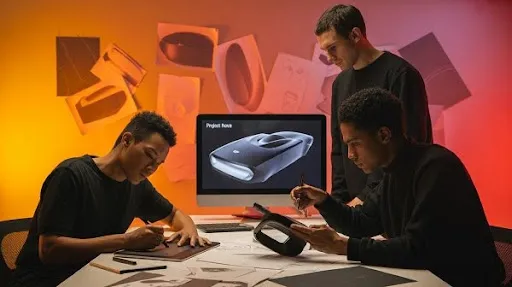
In product development, a prototype is a crucial step that transforms an idea into something tangible. Before moving into full-scale production, creating a prototype allows designers, engineers, and businesses to test, refine, and validate their concepts. At Prolific Studio, we often emphasize the importance of prototypes as they act as the bridge between imagination and execution.
What is a Product Prototype?
A product prototype is essentially an early model or sample of a product idea. It can be a simplified version or a detailed replica, depending on the stage of development. Prototypes help bring abstract concepts into reality, giving you a clearer picture of how the final product might look, feel, and function.
With the support of 3D product animation services, these prototypes can be visualized more effectively, allowing teams and clients to explore design, functionality, and usability before full-scale production.
Why Prototypes Matter in Product Development
Prototypes play several vital roles throughout the development process:
- Visualization: They provide a clear, physical representation of your concept, making it easier to understand how the design and functionality will work in real life.
- Testing & Validation: A prototype allows you to put your idea to the test—checking feasibility, performance, and functionality. While a design may seem flawless on paper, prototyping often reveals unexpected challenges or opportunities for improvement.
- Communication: Having a prototype on hand makes it easier to share your vision with team members, stakeholders, investors, and clients. It turns abstract ideas into something tangible and easier to discuss.
- Cost Efficiency: Addressing design flaws and making adjustments during the prototype stage prevents costly mistakes later in mass production, saving both time and money.
Prototype vs Final Product
A prototype is an early version of a product designed to test ideas, functionality, and overall design before moving into full-scale production. Typically, prototypes are made from accessible, cost-effective, or easily modifiable materials like foam, plastic, or 3D-printed components. This allows for rapid experimentation and iteration, with the focus on flexibility and speed rather than long-term durability.
On the other hand, the final product is the polished, fully functional version ready for the market. It is crafted using high-quality, production-grade materials that meet industry standards for safety, strength, and aesthetics.
The manufacturing process is usually automated and optimized for efficiency, consistency, and large-scale production. This ensures the product is not only durable and reliable but also appealing to consumers.
At Prolific Studio, we understand the importance of prototypes in refining ideas and validating designs, while our expertise and 3D animation services ensure the final product reflects precision, quality, and readiness for market success. Prototypes allow for experimentation, but the final product represents the culmination of the entire development journey—ready to impress and perform in real-world use.
Why Prototypes Are Essential in Product Development

Prototypes are a crucial part of the product development journey. They allow teams to test core functionality, identify opportunities for improvement, and gain a deeper understanding of how a product can be efficiently manufactured.
Validate functionality:
The primary purpose of creating a prototype is to demonstrate that your idea works. Proving the viability of a product is essential—not just showing that it functions, but that it performs reliably and effectively. Without this step, moving forward with production can be risky.
Provide insights for refinement:
Prototypes offer valuable insights into how the initial design may need adjustments or even a complete redesign. This early feedback helps improve the user experience and highlights any flaws or changes required before advancing to the next stage of development. By iterating on prototypes, teams can refine the product to meet user needs more effectively.
Understand manufacturing feasibility:
Prototyping is also key for understanding how a product will be produced. Manufacturing a product with design flaws or functional issues is nearly impossible. A working prototype is often required to secure manufacturing contracts and partnerships, ensuring a smoother production process.
For example, consider the Personal Drink ID, a device designed to enhance women’s safety by detecting whether a drink has been tampered with. Prototyping allowed the team to test and ensure the product performed exactly as intended—highlighting the critical role prototypes play in design engineering.
Skipping the prototyping phase to save time or reduce costs can lead to serious consequences, including expensive redesigns, production delays, or performance issues after launch.
Types of Product Prototypes
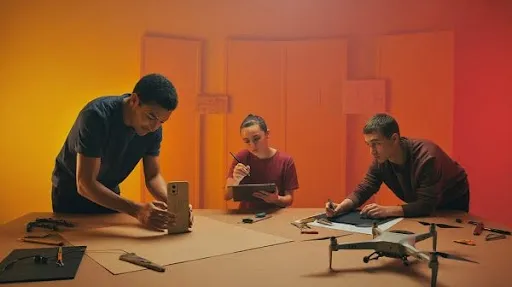
During product development, it’s common to create multiple prototypes that go through several iterations. Instead of refining a single model repeatedly, teams often develop different prototypes for specific purposes to arrive at the ideal final product.
For inventors and non-engineers, the variety of prototypes and their specific purposes can be confusing. Typically, you will encounter multiple prototypes—each serving a unique role—progressively guiding your product from concept to a fully functional and manufacturable design.
Wireframe Prototype
Once a product idea is conceptualized, the first step in the design journey usually involves creating rough sketches. These sketches are developed collaboratively by the inventor and the designer or engineer, focusing on the best way to bring the product to life while fulfilling its intended function.
This initial sketch is known as a wireframe. It serves as a basic illustration or schematic that outlines the core structure, layout, and sequence of the product. Wireframes are an essential first step in visualizing a product idea, helping identify areas that need adjustments or improvements to ensure all necessary features fit within the design.
Presentation / Mock-up Prototype
The presentation or mock-up prototype is the next step after wireframing. While it may not showcase functionality, it demonstrates how the final product is expected to look. These prototypes provide a clearer vision of the product’s appearance and overall design direction.
Presentation and mock-up prototypes are often non-functional, focusing solely on aesthetics and design layout. They allow both the client and designer to understand the placement of components and how the product will feel when held or used. This step ensures that everyone involved has a tangible representation of the design before moving into functional prototyping.
Concept Prototype
The concept prototype is a high-level, functional prototype that demonstrates the product’s design, structure, operational characteristics, and overall vision. This type of prototype is typically used in the early stages of development to give inventors and designers a realistic view of the look and feel of their product.
Concept prototypes are the most commonly used type of prototype because they allow for practical assessment of functionality. Designers and inventors can test how the product works, evaluate its usability, and identify areas for improvement. This stage is critical, as it not only demonstrates functionality but also provides insight into the product’s viability. Multiple rounds of testing at this stage can refine the product to optimize the user experience.
Concept prototypes can be developed using design software, sketches, or a combination of both. Many professional design studios, including Prolific Studio, often create concept prototypes in 3D CAD, ensuring a precise and realistic representation of the product during development.
Feasibility Prototype
A feasibility prototype is developed to determine whether a proposed solution is practical and functional. It ensures that all components work together as intended and that the product effectively addresses the targeted challenges. At this stage, our team at Prolific Studio often involves mechanical engineers to verify that moving parts operate smoothly.
This type of prototype is particularly useful for identifying and resolving technical risks early in the development process. Designers and engineers can pinpoint which components need adjustments or complete redesigns before moving forward. Feasibility prototypes are also ideal for testing overall product performance and ensuring compatibility with the planned components.
Horizontal Prototype
A horizontal prototype focuses primarily on the outer interface of your system. It typically does not include functional processing but provides a visual representation of the product’s user interface. For instance, you might see menus or screens that are static or filled with placeholder content.
Developed in the early stages of product design, a horizontal prototype allows the designer and inventor to clarify requirements and visualize the scope of the product. It offers a comprehensive understanding of the product’s capabilities and is particularly useful for presenting ideas to investors, reviewing specifications, and determining whether a redesign is necessary. Later, this type of prototype can be expanded into a more complete version as the design progresses.
Vertical Prototype
Unlike a horizontal prototype, a vertical prototype dives into the technical core of the product. This stripped-down version includes the essential functionalities, allowing designers and engineers to evaluate specific features and system components.
Vertical prototypes are particularly valuable for analyzing data handling, subsystems, and the performance of critical features. While the system may not be fully functional or refined, it provides a clear demonstration of how complex technical aspects work in practice. This approach helps ensure that even intricate designs are feasible and perform as intended.
Functional Storyboard
A functional storyboard is a design tool that helps inventors and designers visualize the user interface and overall application flow. Essentially, it consists of a series of frames representing different aspects of the product, similar to the screens within an app you plan to develop. Using this approach allows users and stakeholders to understand how the business logic and system functions will work in practice.
For instance, if you’re developing wearable technology that connects to a mobile app, a storyboard can help map out the UI and interactions of the connected application. At Prolific Studio, our design team has experience creating detailed storyboards to ensure seamless product-user interactions.
Types of Prototypes in Product Development
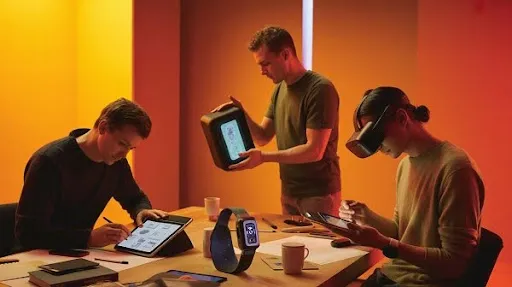
Prototypes are critical in bringing a product concept to life. Depending on the stage of product development, prototypes are generally categorized into three main types:
Alpha Prototype
The alpha prototype represents the first working version of a product, typically developed in-house after initial validation. Its primary purpose is to test core functionalities and identify potential design or engineering challenges. While aesthetics are not the focus at this stage, alpha prototypes are essential for verifying fundamental features.
Beta Prototype
The beta prototype builds on the alpha version, incorporating improvements and design updates based on initial testing and feedback. Beta prototypes may be released to a select group of users to gather real-world insights and further refine the product.
Production Prototype
The production prototype is the most accurate representation of the final product. It uses the same materials, processes, and technologies intended for mass production. The goal of this stage is to ensure the product can be efficiently and consistently manufactured at scale, while meeting quality standards.
FAQ
Should a prototype be perfect?
The level of perfection in a prototype depends on its stage in the development process and its intended purpose. Early-stage prototypes are often less polished, focusing on exploring design ideas or identifying potential issues.
As the project moves forward, the expectations for functionality and aesthetics increase. When presenting a prototype to investors or stakeholders, it’s important to showcase a model that clearly demonstrates the concept’s potential and effectiveness.
The key is to balance functionality, quality, and available resources. Rapid prototyping may prioritize speed and iteration, while more refined prototypes may require additional time and investment. Prolific Studio helps guide this balance to ensure your prototype meets its objectives efficiently.
Is a prototype a working model?
A prototype can be a working model, but it doesn’t always have to be fully functional. Some prototypes focus on appearance, usability, or concept validation, while others are designed to operate as complete, functioning products. The choice depends entirely on the goals of the prototype and the stage of product development.
When Does a Prototype Need to Work?
The necessity of a functional prototype depends on the stage of product development and its intended purpose. Here are some scenarios where a working prototype is particularly important:
- Investor Pitches: Functional prototypes help demonstrate your concept’s feasibility, making it easier to gain investor confidence.
- User-Centric Products: For products designed around user experience, a working prototype is crucial for testing, gathering feedback, and ensuring it meets user needs.
- Regulated Industries: Sectors like healthcare or aerospace often require functional prototypes to meet strict regulatory standards.
- Testing Manufacturing Methods: When exploring new or innovative production techniques, a working prototype is essential due to limited testing opportunities.
- Market Testing: Functional prototypes help gauge user acceptance and market interest before full-scale production.
In the early stages of development, such as concept exploration, functionality is less critical. The focus here is on refining design, identifying potential issues, and iterating quickly.
How Much Does It Cost to Make a Prototype?
Prototype costs vary widely depending on product complexity, materials, technology used, level of detail, and the expertise involved. Generally, creating a prototype can range from a few hundred to several thousand dollars. Simpler models are more affordable, while advanced prototypes with electronics or intricate features can be significantly more expensive.
Investing in a prototype provides valuable insights, allows you to collect feedback, and can even help attract investors. Working with a professional prototyping team or company ensures you get accurate cost estimates tailored to your project’s specific needs.
Conclusion
Prototypes are an essential part of product development, enabling you to visualize, test, and refine your ideas. Whether your prototype needs to be fully functional depends on your goals, resources, and the development stage. Aligning the level of functionality with your project’s objectives ensures you get the most value from your prototyping efforts.
If you’re ready to bring your idea to life, the experts at Prolific Studio can guide you through every step of creating an effective product prototype.